
- PFNA/Frito-Lay: Double‑digit shelf space gains from March/April resets
- PFNA 2026 outlook: Volume, net revenue and operating margin all expected to grow
- International: Targeting continued mid‑single‑digit organic growth (19 consecutive quarters of similar performance)
- PBNA: Further margin expansion planned; energy portfolio (CELSIUS, Alani Nu) now near 20% share of U.S. energy
- Advertising: Spend to increase in 2026 after ~$500m decline in 2025, refocused on value and innovation
- Innovation pipeline: Global relaunches of Lay’s, Tostitos, Gatorade and Quaker; Naked and Pepsi Prebiotic to become permanent pillars
- GLP‑1 strategy: Portion control, hydration, fiber, protein and cooking‑method changes positioned as growth levers
- 2026 macro assumption: “Continuistic” pressure on low‑ and middle‑income consumers, especially in the U.S.
North America: paying for cheaper snacks with sharper efficiency
PepsiCo’s management struck a decidedly offensive tone on its fourth‑quarter call, framing 2026 as a year of renewed volume growth in North America funded by deeper productivity gains rather than by higher shelf prices.
At the heart of the strategy sits Frito‑Lay North America. Chief executive Ramon Laguarta was explicit: in 2026, the snacks powerhouse is expected to grow volume, net revenue and operating margin simultaneously. That ambition rests on a combination of targeted price reinvestment and strikingly large shelf‑space wins.
The company has been piloting tighter “surgical” affordability moves since mid‑2025, focused on low‑ and middle‑income consumers it describes as facing the biggest “friction” to category penetration. Rather than broad price cuts, PepsiCo is lowering effective price points on narrow sets of brands, formats and channels where sensitivity is highest. Early tests, management stressed, delivered attractive returns, with volume gains strong enough to justify the trade‑off.
Those price actions dovetail with a major grab for physical real estate. Across U.S. retailers, the next set of store resets, beginning in March and April, will hand Frito‑Lay double‑digit percentage increases in shelf and perimeter space. That expansion, Laguarta argued, is a direct response by retailers to rising unit throughput as products become more affordable. For investors, it is also a visible marker of PepsiCo’s bargaining power with grocers at a time when retailers themselves are feeling margin pressure.
Crucially, the group insists that this consumer‑friendly posture is already embedded in its numbers. Chief financial officer Steve Schmitt told investors that the affordability programme is “included in our guidance” and funded by productivity gains and the “rightsizing” of Frito‑Lay. The operational slimming of that division now gives PepsiCo a higher‑margin base from which incremental volume can “flow through” more powerfully.
The cadence of the year, according to management, is one of progressive improvement. December ran better than October for Frito‑Lay; PepsiCo expects the first quarter to top the fourth, and so on. While organic revenue is guided to be stronger in the second half—helped mechanically as recent acquisitions such as poppi and Siete roll into the organic base—Laguarta sees volume and net revenue momentum at Frito‑Lay emerging “early in the year”.
Beverages: margin grind, energy bets and a Pepsi revival
On the beverages side, PepsiCo Beverage North America continues its multiyear margin repair. Schmitt reiterated that 2026 should deliver another step up in profitability, keeping the division pointed toward the medium‑term targets the company has previously set.
Growth, though, is expected to come from sharpening competitiveness rather than pricing alone. Management highlighted three focal areas: better execution in core soft drinks, improved affordability in selected beverage segments, and heavier brand building behind flagship franchises.
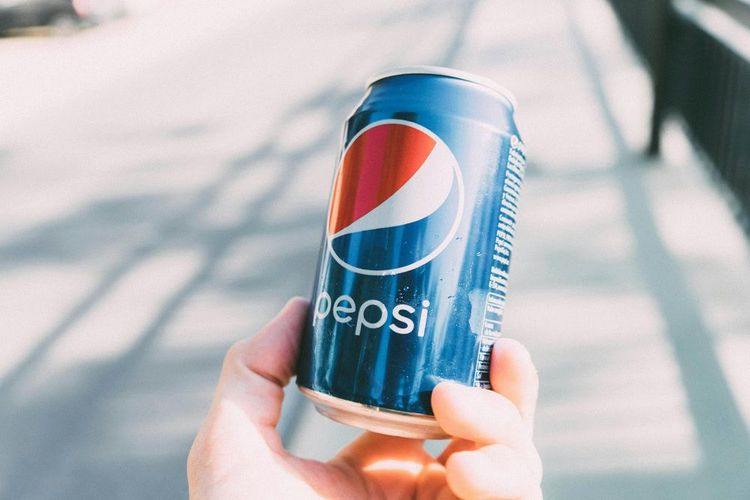
Trademark Pepsi, long the under‑performer of the cola wars, turned in what executives described as a solid 2025, with both volume and dollars up. That improvement is being used as a springboard. Pepsi Zero Sugar—backed by internal testing that suggests a sensory edge over its main rival—is getting a larger marketing push. The Food Deserves Pepsi campaign, coupled with increased presence in restaurants and foodservice, has helped reinsert the brand into eating occasions; that formula will continue.
Mountain Dew remains more problematic. Growth has lagged, despite bright spots such as the Baja variants with Hispanic consumers. The company is responding with an unusually granular marketing model: tailored messaging, innovation and portfolio mixes by region, reflecting the brand’s highly localised fan base. Laguarta admitted it will “take a little bit longer,” but argued that 2025 marked an improvement over 2024 and forecast further progress in 2026.
Energy drinks are evolving into a meaningful profit pool for PepsiCo. Through its hybrid model—distribution margins plus an equity stake in CELSIUS—PepsiCo now participates in roughly a fifth of the U.S. energy category. Early reads from CELSIUS’s new category‑captaincy role and the onboarding of Alani Nu into PepsiCo’s system are encouraging, with execution metrics moving in the right direction even though national distributor coverage is not yet complete. The company sees ample room to keep gaining share in what remains one of the fastest‑growing beverage segments.
Global and emerging growth: steady abroad, test‑and‑learn at home
Beyond North America, PepsiCo is leaning on the stability of its international footprint to underwrite group‑level growth. Laguarta expects the international business to keep growing in the mid‑single‑digit range, essentially in line with the past 19 quarters. Mexico, China and South Africa were all flagged as markets exiting 2025 with improving momentum, while Western Europe is softer and Brazil more neutral. The Middle East consumer, he said, remains relatively healthy.
Those overseas trends feed into the company’s macro assumptions. The 2026 guidance is built on what management calls a “continuistic” environment: a U.S. lower‑ and middle‑income consumer that remains “stretched and choiceful,” and an international backdrop that broadly resembles the pattern seen in the fourth quarter. PepsiCo is not baking in a sharp macro deterioration, but neither is it assuming a rebound in purchasing power for its more pressured U.S. households.
In North America, the group is simultaneously running a complex infrastructure experiment. In Texas and Florida, PepsiCo is trialling integrated food and beverage distribution, with shared inventory points and unified delivery routes. Early data, Laguarta said, show cost efficiencies paired with better customer service levels. The project requires new IT systems and even redesigned vehicles, underscoring the operational complexity of merging two historically separate networks.
Management is aiming to unveil a broader distribution blueprint for North America toward the end of the year. The working hypothesis is not a monolithic model but a patchwork: scaled integration where it adds value, and potentially small, targeted refranchising in specific pockets of the country. The strategic intent is clear—even if the details are not yet public: eliminate duplication between the two large U.S. businesses and turn logistics into a source of commercial advantage.
Innovation, health trends and the ad budget reset
PepsiCo’s growth narrative for 2026 is not just about price architecture and shelf space; it is also about re‑positioning its biggest brands and edging closer to evolving health expectations.
On the product side, Laguarta described innovation along two broad axes. First, there is the “core restage” of brands such as Lay’s, Tostitos, Gatorade and Quaker: visual overhauls, simplified ingredients, removal of artificials and, in some cases, changes in oils and cooking methods. Lay’s, for example, is being repositioned globally around potatoes, freshness and farmers, with new formats featuring avocado and olive oil. The intent is to move consumer perception away from “high processing” toward “simple product, cooked with precision.”
Second, PepsiCo is pushing into higher‑growth periphery spaces: prebiotic colas, “no artificial” extensions like Naked, low‑sugar and no‑artificial Gatorade, and a raft of innovations in fiber, whole grains and protein. The company is putting particular emphasis on portion control, with multipacks and single‑serve formats in both foods and beverages positioned as a way to keep consumers in the category while addressing calorie and satiety concerns.
That dovetails directly with the industry’s preoccupation with GLP‑1 weight‑loss drugs. Far from dismissing the threat, PepsiCo is openly designing its portfolio around the consumption patterns of GLP‑1 users. Management sees two sides: the risk of reduced intake, and the opportunity to supply what these consumers actively seek—hydration, fiber, protein and smaller portions. With more than 70% of its U.S. food business already in single‑serve packs, and brands like Gatorade, Propel and Quaker being refocused on functional roles, PepsiCo is betting that the net effect can be positive.
All of this will require money. The company’s 10‑K reveals that advertising spend fell by roughly $500m in 2025, a double‑digit percentage decline that raised eyebrows on the call. Schmitt attributed the drop to both “working” and “non‑working” efficiencies and signalled that 2026 will reverse course: ad budgets are set to rise, reflecting the absence of 2025’s one‑off cost tailwinds and the need to support a heavier innovation slate. The messaging will pivot around value, functionality and the refreshed brand equities described in the restage plans.
For investors, the question is whether PepsiCo can pull off the balancing act it is now promising: easing price points for pressured U.S. consumers, funding that generosity with productivity, and simultaneously spending more on marketing and innovation. The company’s tone suggests confidence that its sprawling portfolio, advantaged distribution and close retailer partnerships can support that strategy. The proof will come in how quickly those double‑digit shelf‑space gains translate into the volume and margin trajectory that management has now publicly staked out.